
Why Rear-End Crash Claims Are Not as Straightforward as They Look
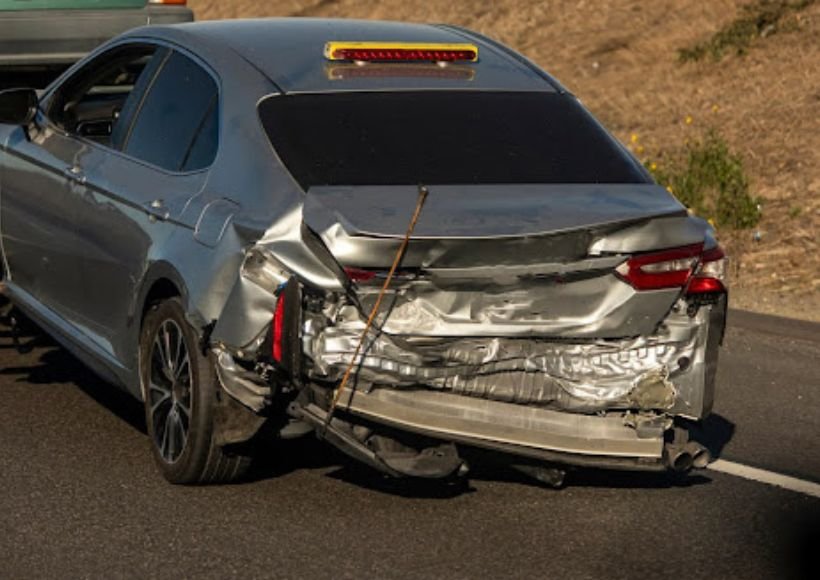
A rear-end impact may appear straightforward, leading to quick assumptions about how the accident occurred and who is responsible. However, these cases often involve more detailed evaluation than they initially seem. Factors such as fault, supporting evidence, and the nature of injuries must be carefully reviewed before any conclusions are made. What appears clear at first can involve multiple considerations upon closer examination.
Understanding these underlying elements helps ensure that the situation is handled accurately and without oversimplification.
The Illusion of Simplicity in Rear-End Accidents
Rear-end accidents look easy to understand because the damage is clear and the sequence feels direct. One vehicle hits another from behind, and it seems like the story ends there. This quick conclusion often leads people to believe that a rear-end car accident claim will move forward without issues.
In reality, what looks clear on the road may not be enough to settle a claim. Details that are not visible at first can change how the situation is viewed, and those details often come into focus only after closer review.
Fault Is Not Always Automatic
There is a common belief that the driver at the back is always responsible, but that is not always true. Fault depends on the full set of facts, not just the positions of the vehicles. Sudden stops, unexpected movements, or even road conditions can affect how responsibility is shared.
Each situation must be reviewed carefully, and assumptions made at the scene may not hold up later. This is why fault is often discussed and examined instead of being accepted without question.
Multiple Factors Can Complicate Liability
Liability in these cases can become unclear because many small details come into play at once. A simple situation can shift once these factors are reviewed more closely.
- Sudden braking without warning.
- Poor road conditions or limited visibility.
- Involvement of more than two vehicles.
Each of these points can change how responsibility is divided. What first looked like a simple crash can turn into a discussion about actions, timing, and surrounding conditions. This is where many claims become more complex than expected.
Evidence Shapes the Outcome
A claim is only as strong as the evidence supporting it, and that evidence needs to be clear and consistent. Statements alone are often not enough to prove what happened. Reports, images, and witness accounts help create a complete picture.
If these pieces are missing or unclear, it becomes harder to show exactly how the accident took place. Strong documentation helps remove doubt, while weak or missing details can leave room for disagreement.
Injuries Are Not Always Immediate
Injuries from rear-end crashes do not always appear right away, which adds another layer of difficulty. Some conditions take time to develop, and that delay can affect how they are viewed later. Without early records, it may become harder to connect those injuries to the accident.
This gap between the crash and the symptoms often leads to questions about timing and cause. The longer the delay, the more complicated it becomes to explain the full impact.
Insurance Review Adds Pressure
Insurance companies do not rely on first impressions. They review every part of a claim carefully, looking at records, statements, and timelines. This process can feel slow and detailed because each point is checked before a decision is made. Small differences in information can lead to delays or reduced offers. The focus is not only on what happened but also on how clearly it can be shown through available proof.
Valuing the Claim Is Not Simple
The value of a claim is not based only on visible damage to the vehicle. It includes several parts that must be considered together, such as medical care, time away from work, and other effects that may not be seen right away.
Estimating these factors takes time and careful review. Accepting a quick value without looking at the full picture can lead to an outcome that does not reflect the real impact of the accident.
Wrap Up!
Rear-end crashes may look simple, but the process that follows is rarely as direct as it seems. Each part of the claim depends on facts that need to be supported, explained, and reviewed with care.
From questions about fault to the way injuries develop over time, every detail plays a role in shaping the final outcome. A rear-end car accident claim often carries more depth than expected, and handling it with awareness helps avoid gaps that can affect the result.
