
Modern Web Design Trends Shaping the Digital Landscape
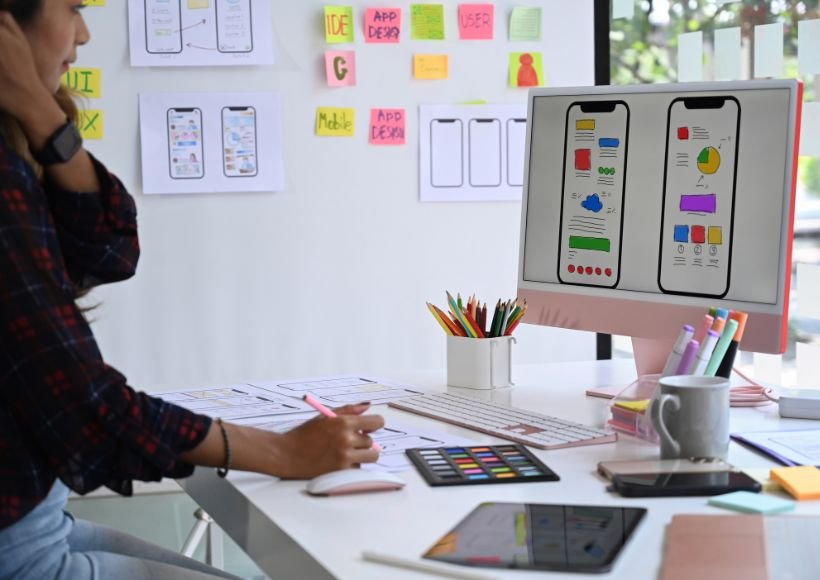
As technology rapidly evolves and user expectations shift, web designers are constantly challenged to push boundaries and create more engaging digital experiences. Today, leading websites are not only visually appealing but also highly functional, inclusive, and environmentally conscious. Businesses that wish to stand out must keep pace with these cutting-edge trends. For those seeking expertise in contemporary web solutions, exploring professional web design Lancaster PA services offers a pathway to a modern, effective online presence.
Modern web design is about more than aesthetics; it is a holistic approach that values user engagement, accessibility, personalization, and ecological responsibility. The latest trends blend compelling storytelling, intuitive navigation, and technical innovations to boost user satisfaction and site performance. Understanding these shifts empowers organizations and designers alike to make smart choices that resonate with their target audience.
The pressure for businesses to refresh their websites with modern features comes not only from shifting consumer tastes but also from search engine metrics and brand perception. Websites that ignore new design practices risk appearing outdated or cumbersome, leading potential visitors to seek more user-friendly alternatives. According to Smashing Magazine, sites investing in new design directions achieve higher engagement and lower bounce rates.
Table of Contents
Micro-Animations Enhancing User Engagement
Micro-animations, or subtle animated effects, are more than just visual flourishes. They provide clear visual feedback, direct users’ attention, and make websites feel more dynamic without overwhelming the experience. For example, a button might ripple or expand slightly when clicked, providing instant feedback on the action and making navigation more intuitive. Importantly, these micro-movements support Google’s “interaction to next paint” (INP) metric, which measures a site’s real-time responsiveness and directly affects perceived performance. Websites like The Palmer Group use refined micro-animations on their homepages to highlight key areas and infuse their designs with energy, resulting in increased engagement and satisfaction.
Embracing Organic and Fluid Layouts
Rigid, grid-based layouts are giving way to more organic, fluid designs that mimic the chaotic beauty of nature. Anti-grid approaches introduce biomorphic shapes, asymmetry, and layered effects, breaking up uniformity and introducing visual playfulness. Such layouts offer an immersive, approachable feel, guiding visitors through content in ways that feel far less mechanical than those of rigidly structured sites. This deliberate shift encourages deeper exploration and yields digital experiences that linger in memory.
The Rise of Dark Mode Designs
Dark mode and low-light UX features have surged in popularity thanks to system-wide options on both mobile and desktop devices. Sites that integrate dark backgrounds help alleviate eye strain, especially for users browsing at night or in dimly lit spaces. Dark mode is particularly prevalent in platforms designed for extended use, such as streaming services or content hubs, where users are likely to spend a lot of time. The adoption of dark themes is now seen as a thoughtful, user-first enhancement that demonstrates a commitment to comfort and accessibility. Netflix is a standout example, creating a cinematic viewing experience by employing a deep black background for its interface.
Personalization Through AI-Driven Content
Web personalization powered by artificial intelligence has become transformative. AI-driven sites adapt to visitors in real time, reconfiguring content, suggestions, or even interface layouts based on browsing patterns, history, and device preferences. This high level of personalization goes beyond remembering a user’s name or last purchase; it anticipates their needs and delivers content that feels relevant every time they visit. For commercial websites, this trend not only drives conversions but also boosts long-term brand loyalty by fostering connections with diverse audiences.
Bold Typography Making a Statement
Typography in 2026 is expressive and impactful, moving away from the neutral sans-serif dominance of previous years. Designers are experimenting with narrative fonts, variable weights, oversized titles, and kinetic effects to communicate character and emotion. Retro-inspired fonts are making a comeback, yet are being reinterpreted with modern twists such as motion effects, vibrant colors, and layered layouts. The use of deliberate contrast, “mutant” fonts, and kinetic type can create both a distinctive visual identity and an immediate emotional connection, proving that text alone can turn a static webpage into an engaging narrative.
Sustainable and Eco-Friendly Design Practices
Environmental responsibility is now central to modern web design. Efficient coding, optimized images, and mindful resource use help minimize a site’s carbon footprint, contributing to broader sustainability efforts. Fast-loading sites not only retain more visitors but also consume less energy overall. Incorporating sustainability into digital strategies demonstrates corporate responsibility and can resonate with environmentally conscious consumers. According to The New York Times, companies that reduce excess data transfer and promote green hosting contribute to global sustainability while appealing to eco-aware shoppers.
Enhanced Accessibility and Inclusive Design
Accessibility is no longer optional. In 2026, inclusive web design ensures all users, regardless of ability or device, can interact with sites efficiently and enjoyably. Essential practices include clear navigation, video transcriptions, readable fonts, voice-enabled interfaces, and balanced use of media. Rather than focusing solely on meeting technical requirements, truly modern design weaves accessibility into every creative decision, prioritizing usability and aesthetic excellence in equal measure. Simplicity and clarity, paired with innovative use of whitespace and motion, result in engaging, clutter-free experiences that welcome everyone.
Conclusion
Staying current with these modern web design Lancaster PA is essential for any organization seeking to strengthen its digital presence. Incorporating micro-animations, fluid layouts, dark mode, advanced personalization, expressive typography, sustainable practices, and enhanced accessibility results in websites that are not only beautiful but built for lasting relevance. By adopting these innovations, designers and brands can ensure their digital experiences are as robust and dynamic as the users they serve.