
Future-Proof Careers in Data Analytics
Last Updated on March 21, 2026 by chada sravas
The Growing Demand for Data Analytics Professionals
With the exponential increase in data creation and collection, data analytics has emerged as a vital function for modern organizations. Today, companies in sectors ranging from healthcare to e-commerce use data-driven insights to optimize processes and outpace competitors. As a result, the demand for skilled analytics professionals has grown dramatically, and employment in the field continues to rise. For those considering entering the workforce or seeking a resilient career track, investing in skills for the analytics sector can yield long-term stability and satisfaction. Completing a master’s in data analytics online can be an instrumental way to build expertise and remain adaptable to industry shifts.
According to the U.S. Bureau of Labor Statistics, data scientist roles are projected to grow by 36 percent from 2023 to 2033. This is well above the average growth rate for other occupations, underscoring the exceptional job security available to those with analytics credentials and experience. As organizations continue to collect and prioritize data, well-trained analysts are becoming indispensable team members who can drive results and innovation.
Job growth in data analytics is also driven by organizations’ growing intent to future-proof their talent pipelines. Companies actively seek analytical experts who can not only interpret data but also tell stories that inform, persuade, and drive success across teams. The proliferation of digital transformation projects also drives this surge in hiring, as businesses rely on data to shape strategies and customer experiences.
These trends impact a broad range of industries. From helping hospitals improve patient outcomes to optimizing marketing campaigns for retail brands, analytics professionals play a pivotal role in shaping present and future success. This adaptability ensures that data analytics will remain a future-proof career choice for years to come.
Essential Skills for Aspiring Data Analysts
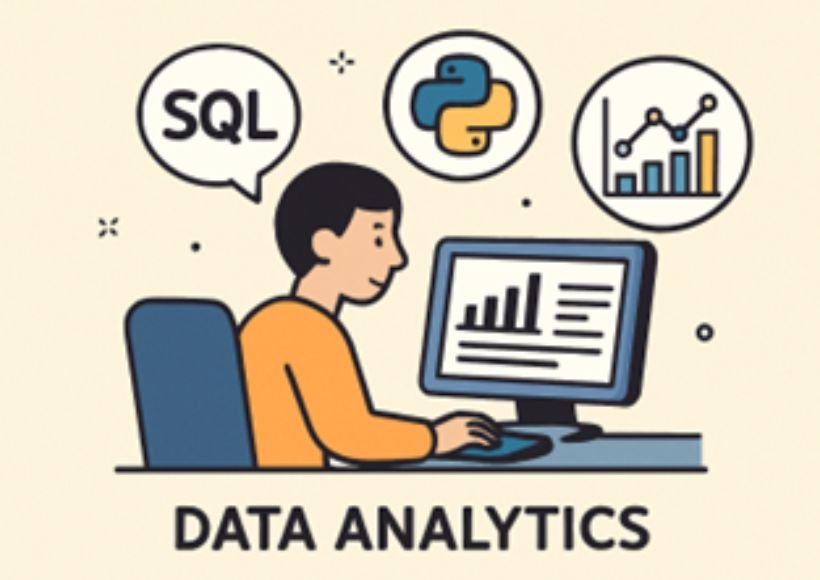
The core skills required to succeed as a data analyst include technical proficiency in several key areas. First, expertise in Structured Query Language (SQL) is foundational for anyone planning to work regularly with databases. SQL skills allow analysts to efficiently manage and extract information from large datasets, an essential part of the analytics workflow.
In addition, familiarity with programming languages such as Python or R is a central requirement in today’s job market. These languages empower professionals to perform data cleaning, automation, predictive analytics, and other advanced tasks that go far beyond basic spreadsheet work. Data visualization skills are also crucial. Analysts must make sense of complex findings and communicate them in accessible ways. Proficiency with tools such as Tableau, Power BI, or similar platforms enables compelling, persuasive data storytelling.
Beyond software and programming, analytical thinking, problem-solving, and effective communication form the backbone of successful analytics careers. Professionals who can translate technical insights into actionable recommendations are highly valued because they facilitate smarter decisions across all organizational levels.
For a comprehensive guide to the essential skills for modern analysts, reference this resource from IBM.
Industry-Wide Applications of Data Analytics
The versatility of data analytics professionals allows them to impact numerous sectors. In healthcare, for example, data analytics is used to track patient health trends, identify treatment opportunities, and support resource allocation. Financial institutions rely on analytics to detect fraud, manage risk, and forecast market shifts. In the retail sector, analysts analyze consumer behavior data to optimize product placement, pricing, and promotional campaigns. Even government and nonprofit organizations leverage analytics for resource planning and service delivery improvements. This broad array of applications not only guarantees career flexibility but also enables professionals to explore roles that align with their interests and personal values.
Continuous Learning: A Necessity in Data Analytics
Given the fast pace of innovation in technology and analytics methodologies, continuous skill development is non-negotiable for anyone committed to a future-proof career in the field. Regularly pursuing industry certifications, attending workshops, and investing in advanced academic programs help professionals stay current and competitive. Proactive participation in ongoing education ensures familiarity with the latest techniques, frameworks, and tools that can set you apart from your peers.
Major employers highly value candidates who display a commitment to learning and adaptability. As technology advances, the ability to quickly master new approaches, such as emerging machine learning techniques or next-generation analytics software, can mean the difference between maintaining relevance and falling behind. This emphasis on continuous improvement is a defining characteristic of successful analytics professionals and helps to safeguard against career stagnation.
Explore more about the importance of lifelong learning in technology roles from this Forbes article.
Remote Work and Geographic Flexibility
Analytics professionals often enjoy the benefits of remote or hybrid work, a flexibility that enhances job satisfaction and access to opportunities worldwide. The digital nature of their work enables analysis, collaboration, and the presentation of findings from virtually any location. This flexibility has proven invaluable, not only for improving work-life balance but also for enabling companies to source talent globally. Professionals in data analytics can often find career openings that suit their needs, whether they prefer working from home, commuting to an office, or blending both.
Emerging Trends in Data Analytics
Staying current with the latest trends can open doors to exciting roles and leadership positions. Notable developments impacting the industry include the integration of artificial intelligence and machine learning, which expand the boundaries of advanced analytics. Emphasis on data governance and ethical use ensures adherence to legal standards and builds public trust in analytics-driven insights. Additionally, the rapid growth of real-time data processing allows faster, more informed decision-making, which is critical for sectors such as finance and e-commerce.
Professionals who embrace these trends are well-positioned to maximize their impact and career opportunities in the years to come.
Building a Robust Professional Network
Networking remains a crucial strategy for anyone pursuing long-term success in data analytics. By connecting with peers through professional organizations, attending conferences, and participating in online communities, professionals gain exposure to new techniques, job leads, and collaborative projects. A strong network not only helps with career advancement but also provides valuable support and inspiration during periods of change and innovation in the field.
Conclusion
Choosing a career in data analytics is a powerful way to ensure future employability and personal growth. The sector’s continuing evolution, combined with rising demand across industries, makes it a promising path for those who commit to learning, adaptability, and excellence. Building solid technical skills, staying up to date on industry trends, and cultivating an active professional network will ensure your longevity and fulfillment in this dynamic, high-impact field.
