
5 Tips for Successful Influencer Partnerships Today That Build Real Results
Last Updated on August 26, 2026 by chada sravas
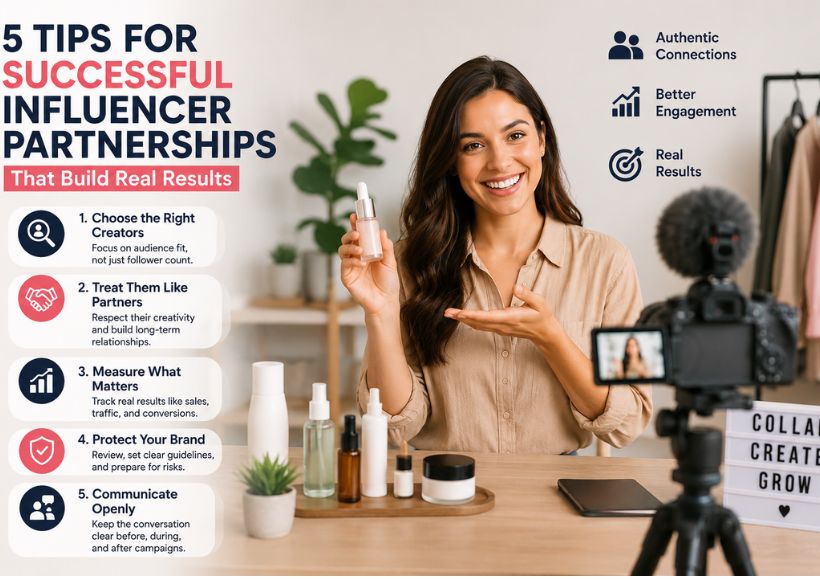
Successful influencer partnerships have changed dramatically over the last several years. Companies are no longer looking only at follower counts or viral moments. Instead, they want creators who understand their audience, communicate naturally, and can represent a brand with credibility over time. The strongest campaigns now feel like genuine recommendations instead of advertisements, which benefits both businesses and the creators they work with. Brands that focus on long-term relationships instead of one-time promotions often see stronger engagement, greater customer loyalty, and more consistent returns.
Start With the Right Technology Instead of Guesswork
Building successful partnerships begins with choosing creators who genuinely fit a company’s audience and goals. A creator management platform helps marketing teams organize campaigns, evaluate performance, communicate with creators, manage contracts, and monitor deadlines from one place. That reduces confusion while giving brands better visibility throughout every stage of a campaign.
Technology also allows companies to compare engagement quality instead of relying on vanity metrics. A creator with a smaller but highly engaged audience often delivers better results than someone with millions of passive followers. Looking beyond raw follower numbers helps brands identify people whose recommendations influence purchasing decisions. The more thoughtful the selection process becomes, the greater the chance that a campaign feels authentic to viewers instead of forced.
Treat Creators Like Business Partners
Many campaigns struggle because brands approach creators as advertising space instead of creative professionals. The best collaborations happen when expectations are clear from the beginning, while still leaving room for creators to communicate in their own voice. Audiences follow influencers because of their personalities, storytelling, and style. Trying to script every sentence often removes the authenticity that made the partnership valuable in the first place.
Brands should outline campaign goals, required messaging, deadlines, legal requirements, and success metrics before production begins. After those expectations are established, creators should have enough flexibility to present products naturally. This balance protects the brand while preserving the trust creators have built with their communities.
Long-term partnerships also outperform one-time sponsorships in many situations. Repeated exposure helps audiences become familiar with both the creator and the product, making recommendations appear more genuine. That familiarity often translates into stronger engagement and higher conversion rates over time.
Measure What Actually Matters
Too many companies still judge influencer campaigns by impressions or likes alone. While those numbers provide useful context, they rarely tell the complete story. Modern campaigns should evaluate website traffic, newsletter signups, purchases, customer acquisition costs, repeat customers, and audience sentiment alongside engagement metrics.
Brands should review each campaign after it ends to identify which creators delivered meaningful business outcomes. Sometimes an influencer who generated fewer views produced significantly more sales because their audience trusted their recommendations. Those insights help marketers invest future budgets more effectively instead of repeating strategies based only on popularity.
Communication is equally important during this review process. Sharing campaign performance with creators helps strengthen relationships while giving both sides a better understanding of what resonated with the audience. Continuous improvement benefits everyone involved.
Protect Your Brand While Encouraging Authentic Content
Social media trends change quickly, and not every viral moment aligns with a company’s values. Searches for topics like influencers gone wild demonstrate how rapidly controversial content can attract public attention. Brands should perform thorough research before signing agreements, reviewing previous content, public interactions, and overall reputation to identify potential concerns.
That does not mean expecting perfection. Every creator has a unique personality and perspective. The goal is finding individuals whose values generally align with the company’s image while maintaining professional standards. Clear contracts covering disclosure requirements, content ownership, usage rights, exclusivity, and expectations during the partnership help reduce misunderstandings later.
Brands should also have a response plan if unexpected issues arise. Preparing before problems occur allows companies to react thoughtfully instead of making rushed decisions during periods of public attention. Strong planning protects both the business and the creator relationship whenever possible.
Build Relationships That Continue Beyond One Campaign
The most successful influencer partnerships rarely end after a single sponsored post. Companies that invest time in understanding creators often discover opportunities for product launches, exclusive events, educational content, community engagement, and ongoing ambassador programs. These deeper relationships create consistency that audiences recognize and appreciate.
Creators also benefit from working with familiar brands because they gain a better understanding of products, company values, and customer expectations. That knowledge produces stronger content with less back-and-forth communication, improving efficiency for everyone involved. Consistency also gives audiences repeated opportunities to see how products fit naturally into everyday life instead of appearing only during isolated promotional campaigns.
Successful partnerships depend on trust from every direction. Brands must trust creators to communicate honestly, creators must trust brands to respect their work, and audiences must believe recommendations are sincere. When those three elements work together, influencer marketing becomes more than advertising. It becomes a relationship that creates lasting value for everyone involved.
