
PlugboxLinux Guide: Features, Performance & Is It Worth Using?
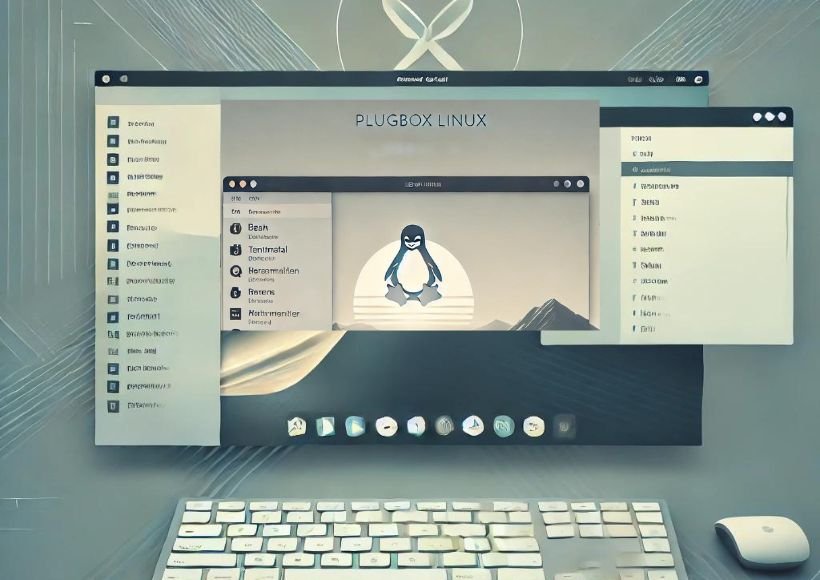
Linux enthusiasts are constantly in search of an OS that has low system resource utilization, is customizable, and delivers consistent performance without unnecessary software running in the background. One of the names that is sometimes mentioned in discussions is PlugboxLinux, which is a Linux distribution built on the Arch Linux system and created for users who want total control over their computers.
However, unlike mainstream Linux distributions such as Ubuntu, Fedora, or Linux Mint, PlugboxLinux has very limited official documentation. Much of the available information comes from community discussions, archived references, and technology blogs rather than an actively maintained official website. That makes it important to separate verified information from assumptions.
In this guide, we’ll explore what PlugboxLinux is believed to offer, where it fits in the Linux ecosystem, and whether it is still worth considering in 2026.
Table of Contents
What Is PlugboxLinux?
PlugboxLinux is generally described as a lightweight Linux distribution built around the philosophy of simplicity and customization. Instead of shipping with dozens of pre-installed applications, it follows the idea that users should install only the software they actually need.
Because it is commonly associated with the Arch Linux ecosystem, PlugboxLinux attracts users who prefer building a system according to their own workflow rather than relying on a fixed desktop environment or software collection.
For developers, system administrators, and Linux enthusiasts, this minimalist approach can provide greater flexibility. Professionals interested in Linux often expand their skills by learning cloud computing, since many modern cloud platforms rely heavily on Linux-based operating systems.
At the same time, beginners may find the learning curve steeper compared to beginner-friendly distributions like Linux Mint or Ubuntu.
Why Do Some Linux Users Prefer Lightweight Distributions?
Modern operating systems include numerous background services that consume memory and processor resources even when the computer is idle. Lightweight Linux distributions take a different approach by keeping the base installation as small as possible.
This allows users to decide exactly what software should be installed while reducing unnecessary resource consumption.
A lightweight system can provide several advantages:
- Faster boot times
- Lower RAM usage
- Better performance on older hardware
- More available resources for applications
- Greater control over installed packages
Rather than attempting to include every possible feature from the beginning, lightweight distributions allow users to build the system gradually according to their own requirements.
Customization Is the Main Attraction
One of the biggest reasons experienced Linux users explore projects like PlugboxLinux is the level of customization they offer.
Unlike operating systems that provide a single desktop experience, Linux allows users to select their preferred desktop environment or window manager. Someone who values appearance may install KDE Plasma, while users focused on speed may choose XFCE, Openbox, or Fluxbox.
Customization is not limited to visual themes. Users can also control:
- Installed services
- Startup applications
- Software repositories
- Kernel configuration
- Security settings
- Package selection
This flexibility enables users to create a system optimized for programming, server administration, multimedia editing, or general desktop use. Many developers also use lightweight Linux environments to build and deploy applications on public cloud services, where Linux continues to dominate server infrastructure.
Performance and Resource Usage
One of the reasons for the popularity of lightweight Linux systems is their efficiency.
Minimal installations usually require lower amounts of system resources compared to fully-featured desktop systems. Because fewer background processes are running, it becomes possible to devote remaining CPU and memory power to applications of interest to users.
However, performance should not be judged solely by RAM usage. Hardware compatibility, graphics drivers, storage speed, and software configuration all influence the overall experience. Users running Linux on high-performance gaming laptops should also consider GPU compatibility and cooling performance, especially on devices designed for demanding workloads like the Clevo PA71.
For example, two Linux systems using the same desktop environment can perform differently depending on installed services, graphics drivers, and package selection.
Is PlugboxLinux Good for Gaming?
Many online articles claim PlugboxLinux is designed specifically for gaming. Based on publicly available information, this claim should be treated carefully.
Gaming performance on Linux depends much more on factors such as:
- Graphics drivers
- Steam compatibility
- Proton support
- GPU hardware
- Kernel version
- Desktop environment
Rather than the distribution name itself.
If it is configured correctly, a system based on Arch can deliver a really good gaming experience. In the last few years, Steam, Proton, Heroic Games Launcher, and Lutris have made gaming on Linux much more feasible.
What truly makes the difference is using the latest graphics drivers and controlling the number of running background processes.
Security and Stability
Linux has long been recognized for its strong permission model and flexible security tools.
Users can configure firewalls, encrypt storage devices, manage user permissions, and install only trusted software from official repositories.
Lightweight operating systems are known to have fewer applications pre-installed, and therefore they may have a smaller threat landscape compared to heavyweight operating systems.
However, security lies in regular updates, appropriate software installations, and good administrative practices related to systems rather than simply the choice of the Linux distribution.
Who Should Consider PlugboxLinux?
PlugboxLinux suits those who are interested in understanding the ins and outs of Linux instead of just demanding a solution that already comes preconfigured.
It may appeal to:
- Developers building customized workstations
- Linux enthusiasts interested in Arch-based systems
- Users reviving older computers
- Hobbyists experimenting with different desktop environments
- System administrators who prefer lightweight installations
For someone who looks for an operating system that will be ready to use right after its installation, it is better to consider alternatives like Linux Mint, Fedora Workstation, or Ubuntu.
Community Support
The biggest concern for potential users of PlugboxLinux would be the lack of official documentation available for it.
In contrast to the well-known Linux distros that have exhaustive manuals, tutorials, and support forums, documentation available for PlugboxLinux is offered in various unofficial community discussions and past sources.
Thus, users have little choice but to turn to the larger Linux communities, primarily those related to Arch Linux, for technical help with troubleshooting and configuration.
Is PlugboxLinux Still Worth Trying?
If your goal is to learn Linux, understand system configuration, and build a highly customized operating system, PlugboxLinux represents an interesting concept.
However, users looking for a polished desktop experience with comprehensive documentation may find better long-term support from established Linux distributions.
The Linux ecosystem offers many excellent choices, and selecting the right one depends less on popularity and more on your intended use. Developers may prioritize flexibility, gamers may focus on hardware compatibility, while beginners often benefit most from clear documentation and strong community support.
Final Thoughts
The users of PlugboxLinux have described it as a customizable Linux operating system that is lightweight, based on the philosophy of Arch Linux—simplicity of operation. Although there is limited information about the project compared to widely known distributions, it is still a great option for gamers and other Linux users.
If you’re comfortable exploring Linux beyond beginner-friendly distributions, researching community resources, and customizing your own environment, PlugboxLinux may be an interesting project to investigate. For users seeking a straightforward desktop experience with extensive documentation and support, established alternatives such as Ubuntu, Fedora, Linux Mint, or Arch Linux itself are likely to provide a smoother experience.
Ultimately, the best Linux distribution is not the one with the most features, but the one that fits your workflow, hardware, and long-term goals.
